


Understanding gambling for beginners Key concepts to get started
What is Gambling?
Gambling is a popular activity that involves risking money or valuables on an uncertain outcome, typically in games of chance. It can take many forms, from traditional casino games like poker and blackjack to sports betting and lottery games. The allure of gambling often lies in the thrill of potentially winning money, which can sometimes lead to a compelling experience that draws people in. If you’re curious about a new twist, you might want to check out icefishing-game.nz, where players can engage in exciting virtual betting experiences.
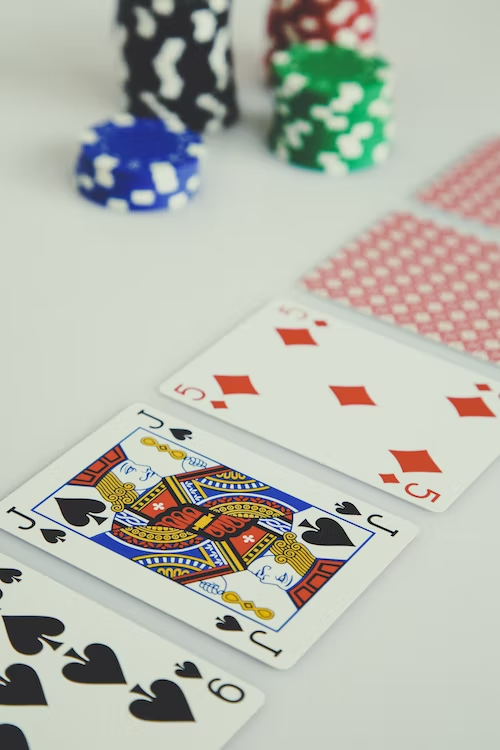
At its core, gambling can be categorized into two main types: games of chance and games of skill. Games of chance rely heavily on luck, such as slot machines or roulette. In contrast, games of skill require some level of expertise and strategy, as seen in poker or sports betting. Understanding these distinctions is crucial for beginners as it shapes their approach and expectations.
The Social Aspects of Gambling
Gambling is often seen as a social activity that brings people together. Whether it’s enjoying a night out at a casino with friends or participating in a poker game at home, the social element can enhance the experience. Many people appreciate the camaraderie and competition that comes with gambling, creating memorable experiences among friends and family.
Moreover, online gambling platforms have transformed how people interact. Players can connect with others from around the globe, participate in live games, and even chat with fellow gamblers. This evolution highlights how gambling can act as a social catalyst, allowing individuals to engage with others and share their enthusiasm for the game.
Understanding Odds and Payouts
For beginners, grasping the concept of odds is essential. Odds determine the likelihood of a certain outcome occurring and directly influence potential payouts. In gambling, understanding odds helps players make informed decisions about where to place their bets and how much to wager. The higher the odds, the lower the chances of winning, but the potential payout tends to be greater.
Different games have different odds structures. For instance, in a game of roulette, players can bet on specific numbers or colors, each having varying odds and payouts. Understanding these nuances can greatly enhance a player’s strategy and overall experience, allowing for more calculated risks and informed betting practices.
Responsible Gambling Practices
As enticing as gambling can be, it’s vital to practice responsible gambling. Beginners should set limits on their time and money spent gambling to prevent potential negative consequences. Recognizing when to stop, whether on a winning streak or a losing one, is crucial for maintaining a healthy relationship with gambling.
Many platforms now offer tools to help gamblers keep track of their spending and time. Utilizing these tools can help beginners enjoy the thrill of gambling while avoiding pitfalls. Understanding one’s limits and gambling for entertainment rather than as a means to make money can ensure a more enjoyable experience.
Explore More About Gambling Online
For those eager to dive deeper into the world of gambling, numerous resources are available online. From informative articles to tutorials on various games, new players can find valuable information to enhance their understanding. Online forums and communities can also provide insights and experiences from seasoned gamblers, enriching the learning process.
Additionally, many online platforms offer free games or demo versions, allowing beginners to practice without financial risk. Exploring these resources can help new gamblers build confidence, refine their skills, and ultimately enjoy their gambling journey to the fullest.