


The evolution of gambling a historical perspective on risks and rewards
Origins of Gambling in Ancient Civilizations
Gambling can be traced back thousands of years, with evidence found in ancient civilizations such as Mesopotamia, China, and Egypt. Dice, a fundamental component of many games, were often made from knucklebones or stones and used for various forms of betting. In these early societies, gambling was not only a source of entertainment but also played a crucial role in rituals and decision-making processes. For instance, the Chinese used gambling as a method to predict the future, showcasing the intertwining of luck and skill in their cultural practices. Today, you can explore modern options at https://mrwildz.casino/, where the thrill of the game continues.
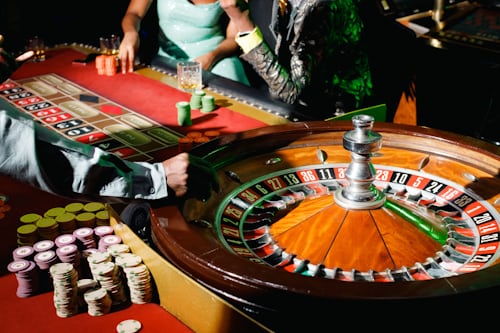
The ancient Greeks further developed gambling, introducing organized games such as dice and betting on athletic contests like the Olympic Games. These activities highlighted the competitive nature of gambling and how it served as a reflection of societal values. Unlike mere chance-based games, events like chariot racing required skillful handling, drawing parallels to modern-day gambling where players employ strategies alongside luck. This blend of skill and chance set the foundation for how gambling evolved through the ages.
As cultures intermingled through trade and conquest, gambling spread across continents. The Romans embraced betting on various sports, further refining the industry with more structured forms of wagering. The emergence of card games during the Middle Ages in Europe exemplified how gambling evolved from simple dice games to complex activities requiring both luck and strategy. This progression marked the beginning of gambling as a significant social activity, with risks and rewards becoming increasingly pronounced.
The Rise of Modern Gambling Practices
With the advent of the Renaissance, gambling underwent a significant transformation. The introduction of playing cards during this period led to the birth of modern casinos. The first official gambling house, or casino, was established in Venice in the 1630s, setting a precedent for regulated betting establishments. This shift from informal gatherings to organized venues indicated a burgeoning awareness of gambling as both a leisure activity and a potential source of income. The allure of large payouts began to attract a wider audience.
The 19th century saw a surge in popularity for gambling, particularly in the United States, where the Gold Rush spurred the establishment of numerous gambling establishments. The emergence of games like poker and the introduction of lotteries provided new opportunities for gamblers to test their luck and skills. The balance between risk and reward became even more complex as the odds of different games were calculated, allowing players to make informed decisions based on both skill and chance. This era solidified gambling as a mainstream form of entertainment.
Furthermore, the legalization of gambling in various states and countries transformed public perception. Casinos became not only places for gaming but also hubs of social interaction and tourism. The rise of gambling during this time reflected broader societal changes, including the increasing acceptance of leisure activities. As people sought fun and financial gain, the gambling landscape began to adapt, incorporating elements of marketing and entertainment that we see today, creating a dynamic interplay of luck and skill.
The Impact of Technology on Gambling
The latter half of the 20th century witnessed technological advancements that revolutionized the gambling industry. The introduction of electronic slot machines and video poker added new dimensions to traditional gambling practices. Unlike earlier forms, these innovations allowed for greater interaction and engagement, drawing players in with colorful graphics and sound effects. The risks and rewards began to feel more immediate, as players could win or lose in a matter of seconds. This instant gratification became a hallmark of modern gambling.
The emergence of online gambling platforms in the late 1990s marked a significant turning point. Players no longer needed to visit a physical casino; they could place bets from the comfort of their homes. Online casinos offered a wide variety of games, ensuring that players had access to numerous options. This shift made gambling more accessible, but it also raised concerns about responsible gaming and the potential for addiction. The digital space transformed how risks and rewards were perceived, as players navigated a virtual landscape filled with opportunities.
Mobile gaming further propelled the evolution of gambling, allowing users to gamble anytime and anywhere. The advent of smartphones made it easier to engage with gambling apps, enabling real-time betting during live events. This convenience blurred the lines between luck and skill, as players could utilize tools and strategies while on the go. The integration of social features in gaming apps added another layer, as players shared experiences and competed against one another, reinforcing the community aspect of gambling.
Contemporary Perspectives on Gambling Risks and Rewards
As gambling continues to evolve, understanding the balance between risk and reward remains critical. Modern players are often equipped with more information and tools than ever before, allowing for strategic decision-making. However, the sheer number of options can also lead to overconfidence and a misunderstanding of odds. Many gamblers mistakenly equate luck with skill, believing they can control outcomes through strategies, when in reality, chance still plays a significant role.
Responsible gambling initiatives have emerged in response to the potential risks associated with gaming. Many casinos and online platforms implement measures to promote responsible gambling behavior, including self-exclusion options and tools to set limits on spending. Educating players about the odds of different games and the importance of bankroll management has become crucial in fostering a healthier gambling environment. This shift towards awareness emphasizes that while gambling can be entertaining, it also comes with inherent risks.
The ongoing dialogue about gambling’s impact on society reflects changing attitudes toward risk-taking behaviors. As gambling becomes more integrated into everyday life, discussions surrounding its regulation and ethical implications continue to evolve. The historical context of gambling as both a source of entertainment and financial opportunity has led to a contemporary landscape where risks must be balanced with responsible practices to ensure that players enjoy a safe and rewarding experience.

MrWildz Casino: A Modern Gambling Experience
MrWildz Casino, launched in 2022, represents the culmination of the evolution of gambling into the digital age. Offering over 4,000 games from leading developers, it caters to a diverse audience, showcasing the vast range of options available to modern players. The platform emphasizes a secure and fully licensed environment, ensuring that users can enjoy their gaming experiences without compromising safety. This commitment to security underscores the importance of responsible gambling practices in today’s landscape.
The casino provides new players with enticing bonuses, enhancing their initial deposits and creating a more rewarding gaming experience. This focus on player incentives reflects contemporary trends in the gambling industry, where attracting and retaining customers has become vital. With 24/7 customer support, MrWildz ensures that assistance is readily available, creating a user-friendly environment that promotes confidence in online gaming. This accessibility represents a significant shift from traditional brick-and-mortar casinos.
In summary, MrWildz Casino exemplifies how the gambling industry has evolved, embracing technological advancements while prioritizing player experience and safety. As players navigate the modern landscape of risks and rewards, platforms like MrWildz provide an avenue for responsible gaming, allowing individuals to enjoy the thrill of gambling while being mindful of the potential pitfalls. This evolving narrative showcases the delicate balance that continues to define gambling today.